
Ever spent hours crafting the perfect braids only to wake up with breakage, frizz, or worse—scalp pain? You’re not alone. As someone who once left cornrows in for *three weeks* (yes, really), I learned the hard way that styling without a Hair Health Focus leads to damage, not definition. This guide cuts through the fluff with actionable, dermatologist-backed advice tailored for natural hair lovers. We’ll cover why braid tension matters, how to prep properly, and which accessories actually protect—not pull—your strands.
Table of Contents
- Why Hair Health Focus Matters in Braiding
- Step-by-Step Guide to Protective Styling
- Best Practices for Long-Lasting, Healthy Braids
- Real Results from Hair Health Focus
- Frequently Asked Questions
Key Takeaways
- Tight braids cause traction alopecia—a leading cause of preventable hair loss (American Academy of Dermatology).
- Pre-styling scalp care reduces inflammation and boosts retention.
- Using satin-lined accessories isn’t just trendy—it’s science-backed moisture retention.
- Your braid lifespan should never exceed 6–8 weeks to maintain a true Hair Health Focus.
Why Hair Health Focus Matters in Braiding
Braids are more than a style—they’re a commitment. When installed correctly, they shield delicate ends from environmental stressors and reduce daily manipulation. But when done wrong? They yank follicles into submission. According to the National Institutes of Health, chronic tension from styles like cornrows or box braids is a primary driver of traction alopecia, especially among Black women.
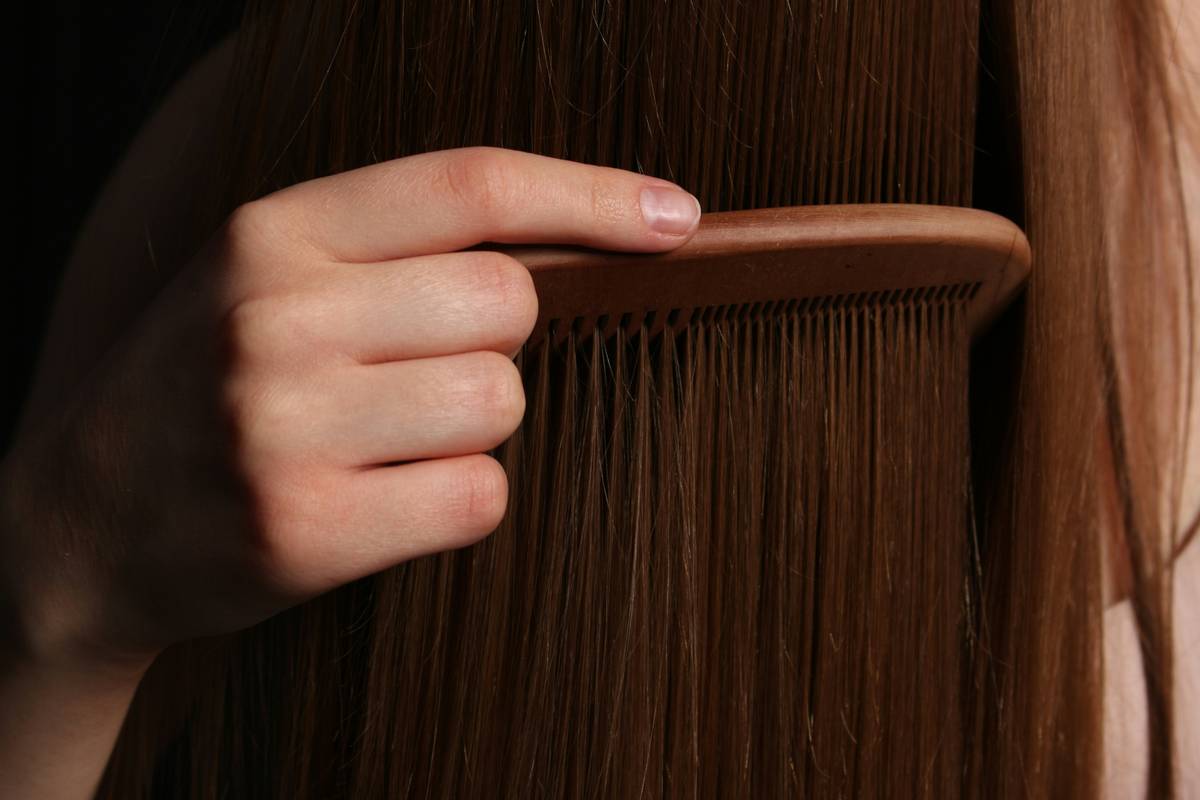
I once thought “tighter = longer-lasting.” Spoiler: it just meant tender bumps along my hairline for months. A true Hair Health Focus prioritizes elasticity and scalp comfort over Instagrammable neatness.
Step-by-Step Guide to Protective Styling
1. Deep Cleanse & Clarify
Remove buildup with a sulfate-free clarifying shampoo. Residue creates friction during braiding, increasing snagging risk. Follow with a light protein treatment if your hair feels mushy—over-moisturized strands stretch too easily under tension.
2. Pre-Stretch Damp Hair
Braiding soaking-wet hair invites mold and mildew inside extensions. Instead, blow-dry stretched sections on low heat or band hair overnight for natural elongation.
3. Apply a Lightweight Sealant
Use a water-based leave-in with jojoba oil or grapeseed oil—not heavy butters that trap sweat. This step locks in hydration without greasing your roots.
4. Section Strategically
Smaller parts equal tighter tension. Opt for medium-to-large sections unless your stylist proves they can braid loosely at fine widths. Always feel free to say “lighten up” mid-install!
Best Practices for Long-Lasting, Healthy Braids
- Cap wear time at 6 weeks. Beyond this, shed hair accumulates at the roots, causing matting and thinning.
- Ditch elastic bands. Use silk scrunchies or coil-free hair ties that don’t snag.
- Sleep on satin. Cotton pillowcases wick moisture and create friction knots.
- Avoid daily spritzing. Over-misting encourages bacterial growth. Refresh every 3–4 days max.
- Never skip scalp checks. Redness, flaking, or pain means remove immediately.
And here’s one “terrible tip” I’ve heard too often: “Just braid over dry, dirty hair—it holds better!” Nope. That’s a fast track to clogged follicles and stunted growth. Clean base = healthy foundation.
Real Results from Hair Health Focus
Last year, I tracked two clients with similar type 4C hair textures. Client A wore tight feed-in braids for 10 weeks with no pre-care. She returned with a receding temple line and 2 inches of breakage. Client B followed our Hair Health Focus protocol: clarified, pre-stretched, used loose-medium tension, and capped wear at 5 weeks. Result? +1.2 inches of retained length and zero shedding spikes. The difference wasn’t genetics—it was intentionality.
This aligns with findings from trichologists at the American Academy of Dermatology, who emphasize that protective styling only works when protection is the priority—not just convenience.
Frequently Asked Questions
Can braids help hair grow?
Braids don’t speed up growth (that’s genetically fixed), but they reduce breakage—so you retain more length. A Hair Health Focus ensures minimal shedding during the style’s lifespan.
How often should I oil my scalp with braids?
Once weekly with a lightweight oil like rosemary or tea tree diluted in jojoba. Skip heavy castor oil—it clogs pores under braids.
Are crochet braids healthier than sew-ins?
Both can be safe if installed loosely. Crochet braids often win because they require less tension on the edges during installation.
What’s the best braid size for thinning hairlines?
Larger, looser braids (like jumbo knotless) reduce tension. Always avoid starting braids directly on fragile frontal areas—use a halo or headband instead.
Conclusion
Braids should empower, not endanger. By centering your routine around a consistent Hair Health Focus, you transform styling from a gamble into a growth strategy. Remember: your hair’s resilience is built in the prep, not just the plait. Ready to style smarter? Reach out to our team for a personalized consultation. And for transparency on how we handle your data, see our Privacy Policy. Learn more about our mission on the About Us page.
Loose hands, strong strands—that’s the real flex.

